How to Choose Art for Your Home: A Room-by-Room Guide to Finding Artwork You'll Love
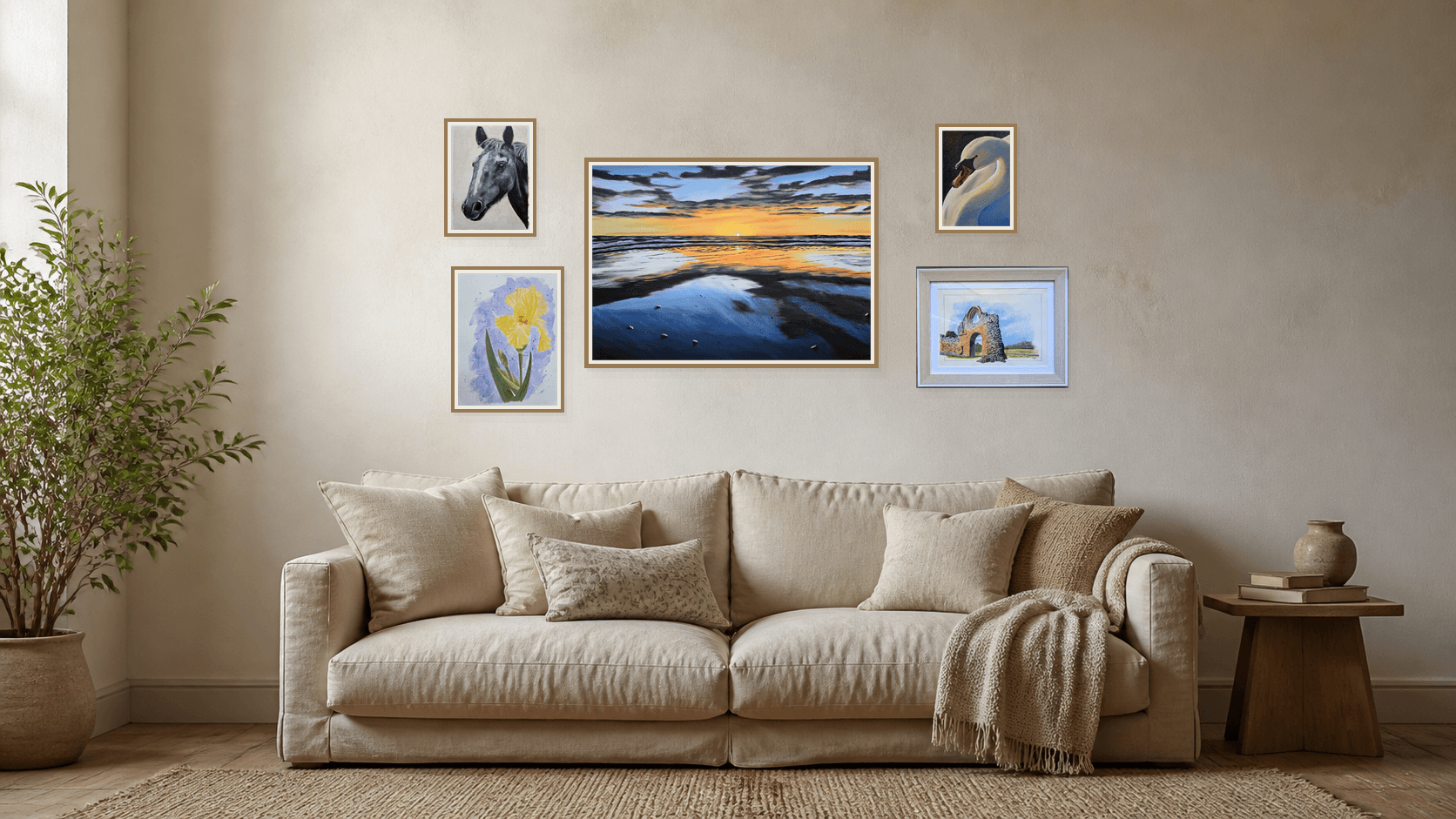
How to Choose Art for Your Home: A Room-by-Room Guide
Choosing art for your home doesn't need to be complicated. The right artwork can add warmth, personality and atmosphere while helping each room feel more complete. In this guide, I'll take you through how to choose art for different rooms in your home, from statement pieces for the living room to calmer artwork for the bedroom. I'll also look at artwork size, prints versus originals and how rotating your collection can give your home a fresh look throughout the year.
Where Do You Start When Choosing Art for Your Home?
Choosing art for your home can sometimes feel overwhelming. With so many styles, sizes, colours and subjects available, it can be difficult to know where to begin.
For me, the most important thing is to choose artwork you genuinely enjoy looking at. Trends come and go, but if a painting makes you stop, look and feel something, that's usually a much better reason to put it on your wall.
Artwork can completely change how a room feels. It can introduce colour, create a focal point, add warmth and personality, or simply make an otherwise empty wall feel finished. Different rooms can also benefit from different types of artwork, so it helps to think about how you use each space and the atmosphere you want to create.
Choosing Art for Your Living Room
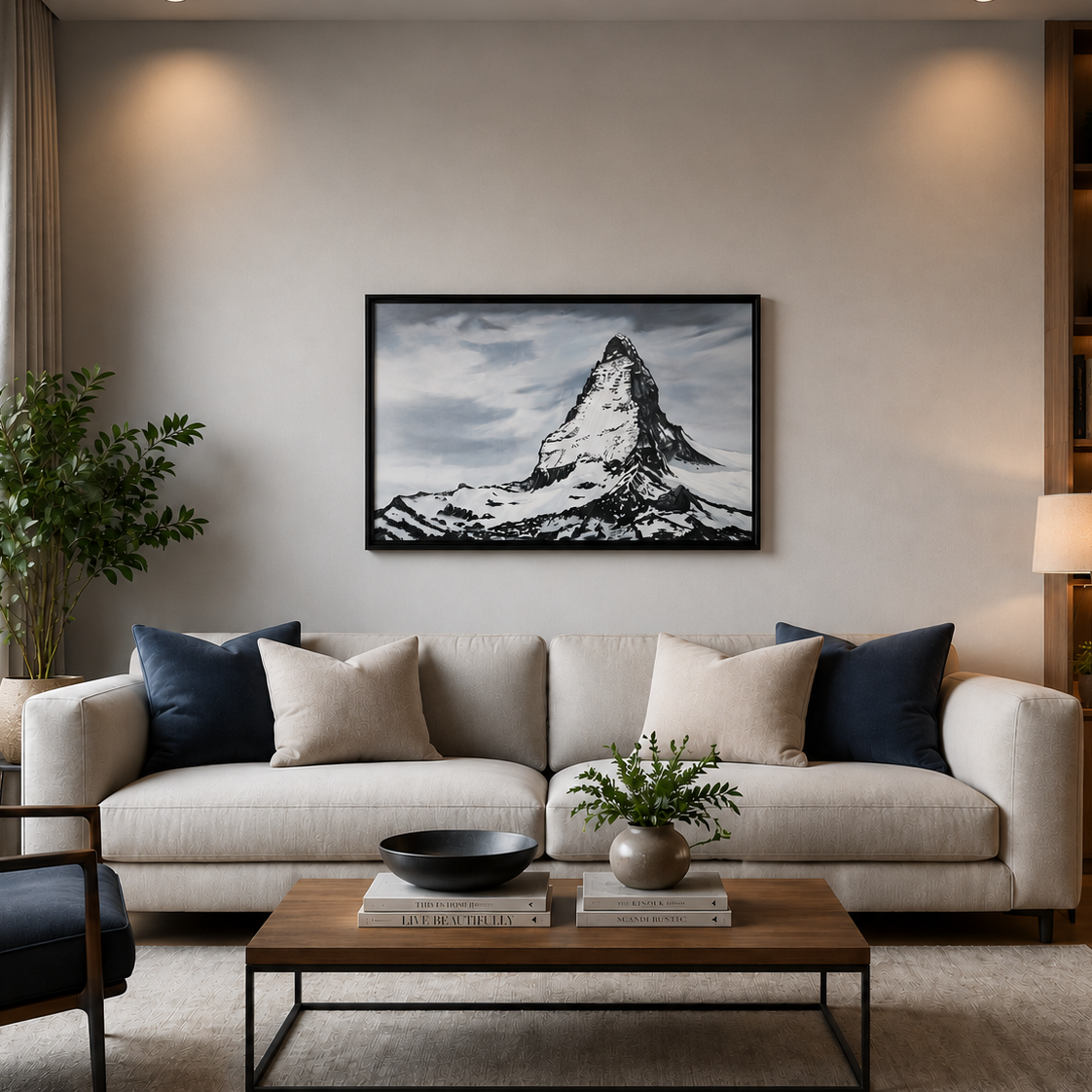
The living room is often the main room in a home. It's where we relax, spend time with family and welcome guests, so it's a great place for artwork that has real presence.
Large statement pieces work particularly well above a sofa or on a main wall. Landscapes, seascapes and wildlife artwork can all create strong focal points while adding colour and atmosphere to the room.
If you have a large empty wall, don't automatically assume you need lots of smaller pictures to fill it. Sometimes one larger piece of artwork can create much more impact and make the whole room feel more balanced.
The artwork doesn't necessarily need to match your furniture perfectly either. I think it's more important that the painting belongs in the room without disappearing into it. A little contrast can often make artwork much more interesting.
If you'd like to explore this in more detail, take a look at my guide to Living Room Wall Art Ideas: How to Choose Art for Your Living Room.
Choosing Art for Your Kitchen
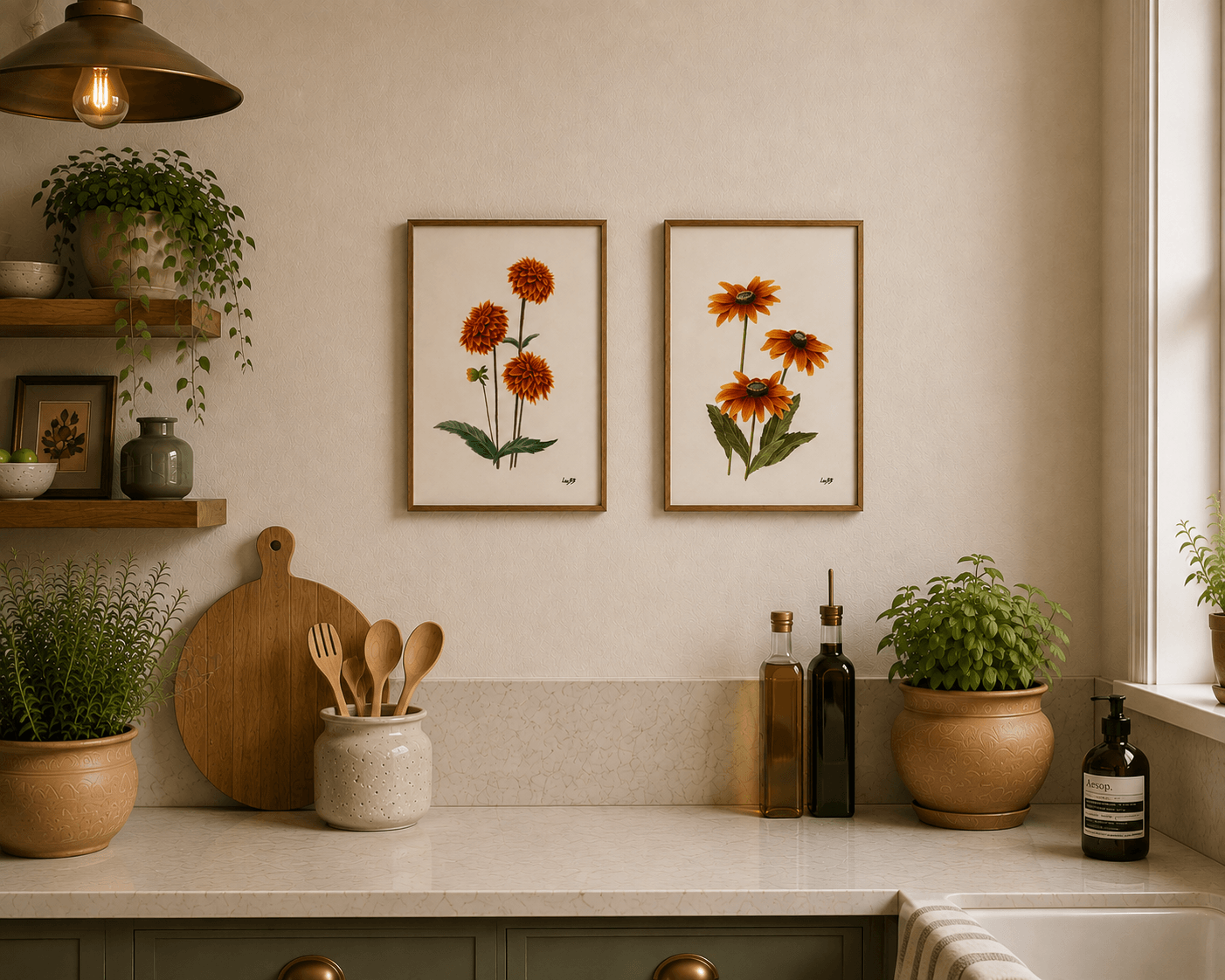
The kitchen is often described as the heart of the home, and artwork can help make it feel warmer and more personal.
Botanical paintings, birds, countryside scenes and colourful artwork can work particularly well because they bring elements of nature into a busy everyday space. Smaller prints are also useful in kitchens because they can fit into areas where a large painting wouldn't be practical.
The kitchen is also somewhere you can have a little more fun with your choices. Artwork doesn't always have to be serious or make a grand statement. Sometimes a smaller painting that simply makes you smile is exactly what a room needs.
One practical consideration is where you display it. I'd avoid placing valuable originals directly above a cooker, sink or anywhere exposed to excessive heat, steam or moisture.
You can find more ideas in my Art for Your Kitchen guide.
Choosing Art for Your Dining Room
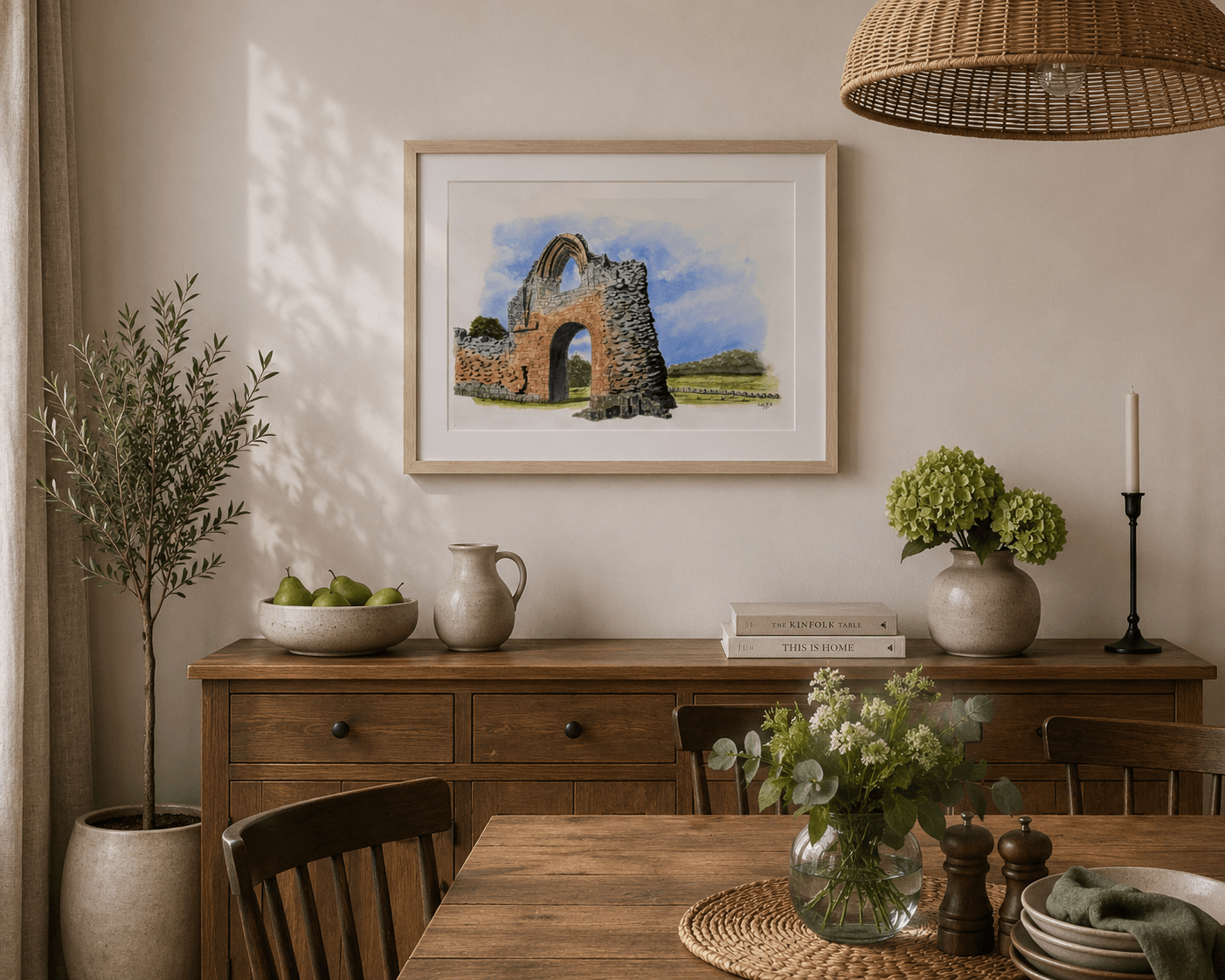
Dining rooms are social spaces. They're somewhere we sit, talk, eat and spend time with other people, so artwork can play an important role in creating the atmosphere.
A larger painting above a sideboard or dining table can provide a natural focal point, while a carefully arranged group of smaller works can create a more collected and personal feel.
Landscapes, wildlife artwork and botanical paintings all work particularly well in dining rooms. Artwork with plenty of detail can also be interesting because it's something you and your guests can continue discovering while spending time in the room.
I don't think dining room artwork needs to match your tableware or décor exactly. Choose something you enjoy and allow the artwork to bring its own character to the space.
For more inspiration, see Art for Your Dining Room.
Choosing Art for Your Bedroom
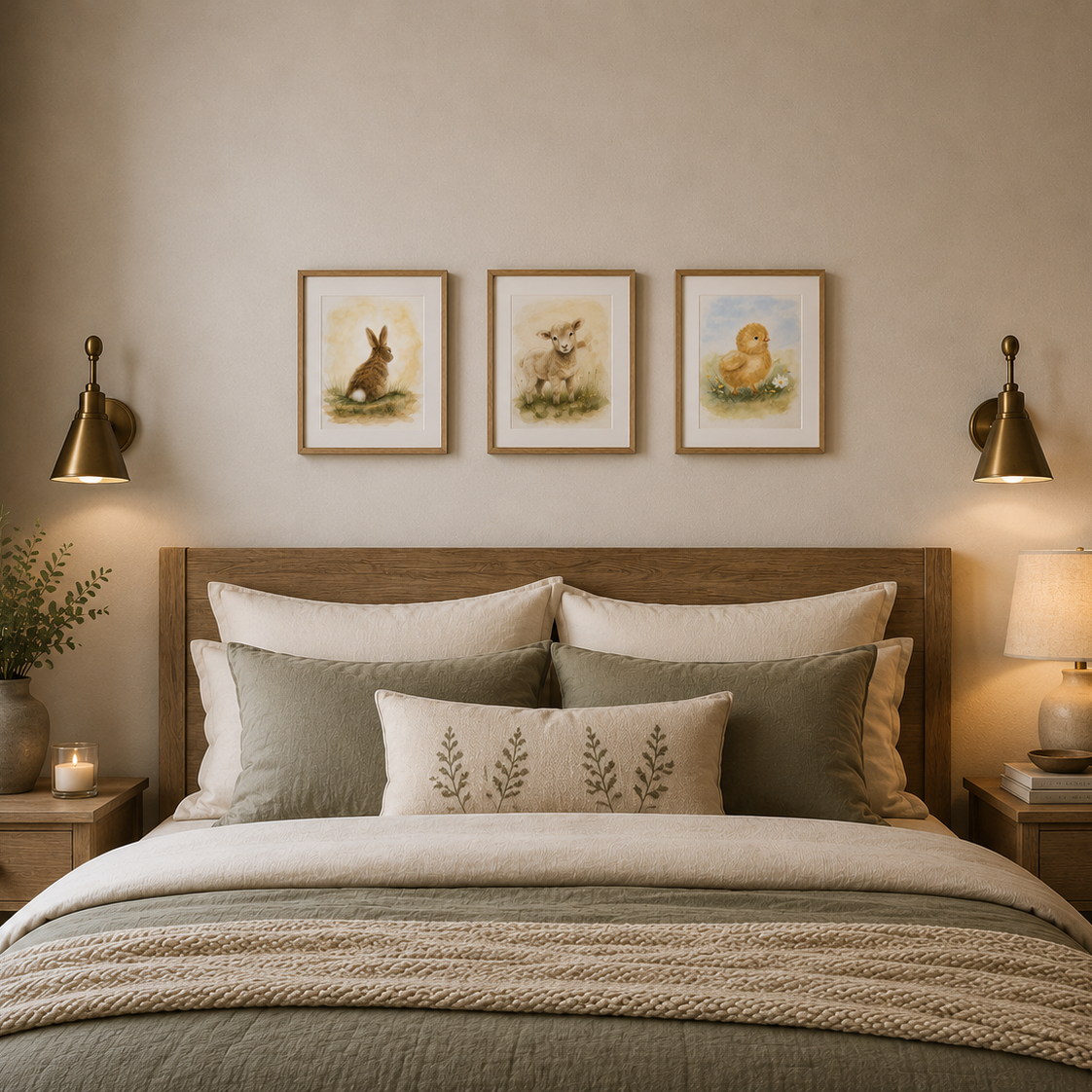
Bedrooms have a very different purpose from living and dining spaces, so I tend to approach the artwork differently.
This is somewhere you want to feel comfortable and relaxed. Landscapes, seascapes, botanical paintings and quieter wildlife pieces can all work beautifully because they can help create a calmer atmosphere.
Above the bed is an obvious place for a larger piece, but it isn't the only option. A pair of prints can create balance, while a small group of complementary artworks can turn the wall into a subtle gallery feature.
The important thing is not to overwhelm the room. Bedroom artwork should add personality while still allowing the space to feel restful.
I've explored this in more detail in my Art for Your Bedroom guide.
Choosing Large Wall Art for Your Home
Large empty walls can be surprisingly difficult to decorate. One of the most common mistakes is choosing artwork that's simply too small for the space.
A large painting or print can anchor furniture, establish a focal point and make a room feel much more complete. This works particularly well above sofas, beds, sideboards and on large uninterrupted walls.
As a rough guide, artwork displayed above a sofa often works well at around two-thirds the width of the sofa. Above a bed, somewhere between half and two-thirds of its width is a useful starting point.
These aren't rules you have to follow exactly, but they're helpful when judging proportions.
If you have a particularly large wall, don't be afraid of scale. Giving a statement artwork enough presence can often look far better than trying to fill the same space with several pieces that feel too small.
Original Paintings or Art Prints?
Another decision you'll probably face when choosing art for your home is whether to buy an original painting or a print.
Original artwork has something special about it. You're looking at the actual brushstrokes, marks and decisions made by the artist while creating the piece. No two originals are exactly the same, and owning the only version of a painting can make it particularly meaningful.
Prints offer different advantages. They're more affordable, often available in several sizes and make it easier to build a larger collection. They're also ideal for gallery walls and for anyone who enjoys changing their artwork periodically.
There's no reason you have to choose one or the other.
I think a home can look wonderful with a mixture of original paintings, art prints and even artwork you've collected from other artists over the years. Your walls should tell your story rather than looking like a showroom.
Choosing the Right Size Artwork
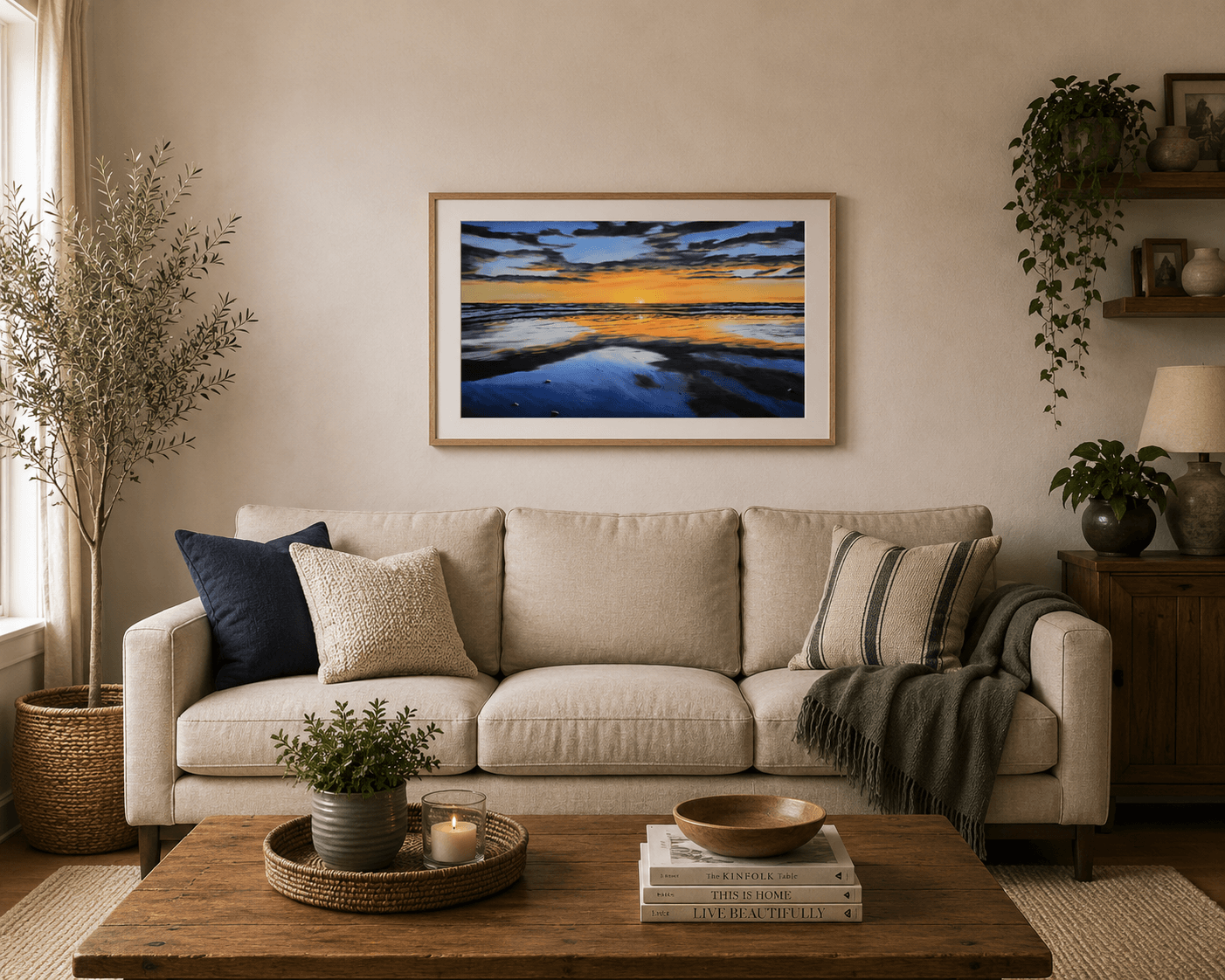
Size can make an enormous difference to how artwork looks once it's on the wall.
If a piece is too small, it can appear lost. If it's too large, it can dominate everything around it. The aim is to find a scale that feels connected to the furniture and architecture of the room.
A few useful starting points are:
Artwork above a sofa can be around two-thirds of the sofa's width.
Artwork above a bed can be approximately half to two-thirds of the bed's width.
Large uninterrupted walls generally suit larger artwork.
Several smaller works can be grouped together to create a gallery wall.
Leave enough space around a statement piece for the artwork to breathe.
Before buying, you can even mark out the dimensions on the wall with low-tack masking tape or pieces of paper. It's a simple way to visualise the scale before committing.
Don't Feel You Have to Match Your Artwork to Your Décor
This is something I think is particularly important.
It's tempting to choose artwork purely because the colours match your cushions, curtains or furniture. There's nothing wrong with considering colour, but I wouldn't make it the deciding factor.
Furniture gets replaced. Rooms get redecorated. Colour schemes change.
Artwork you genuinely love can stay with you for years.
Instead of asking, "Does this match my room?", I'd ask, "Do I want to keep looking at this?"
If the answer is yes, you'll usually find somewhere for it.
Rotate Your Artwork and Rediscover Your Collection
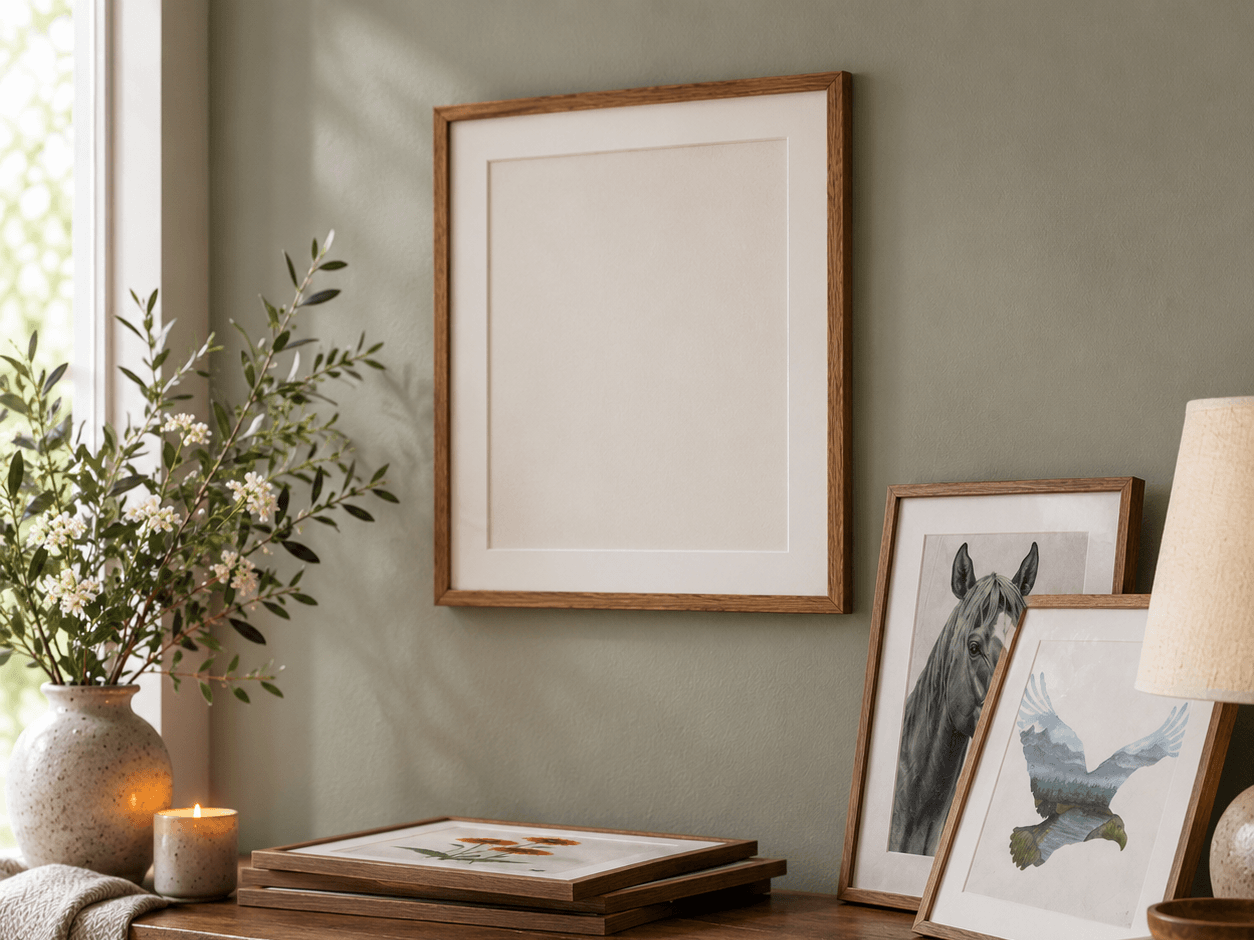
Artwork doesn't have to remain on the same wall forever.
I enjoy the idea of moving paintings and prints around the home and changing what's displayed throughout the year. It can make a familiar room feel surprisingly different without buying new furniture or redecorating.
You can move artwork between rooms, swap prints within existing frames or change a few pieces to reflect the seasons. It also means artwork that might otherwise remain stored away gets another chance to be enjoyed.
Let Your Home Tell Your Story
One of the things I love about seeing artwork in someone's home is that collections naturally become personal over time.
You might have an original painting from a local artist, a print bought while travelling, artwork inherited from a relative and something you simply fell in love with online. None of it necessarily needs to match.
Together, those pieces tell a story about you.
That's why I don't think there's a perfect formula for choosing art. Interior design principles can help with scale, positioning and balance, but ultimately your home should contain artwork that means something to you.
Final Thoughts
Learning how to choose art for your home isn't really about following a strict set of interior design rules. It's about finding artwork that you enjoy and giving it the right space to be appreciated.
Think about the atmosphere of the room, the available wall space and the scale of the artwork, but don't lose sight of the most important consideration: your own connection with the piece.
Whether you choose an original watercolour, an oil painting, an art print or a mixture of different styles collected over many years, the artwork in your home should reflect your personality and the things you love.
If you're looking for something new for your walls, you can explore my collection of original paintings and art prints at LeeBB Art.